iOS Application Development
iOS systems
with real responsibility.
iOS applications are not small web apps. They live on constrained devices, unstable networks, and in real user environments.
I build iOS systems that respect platform limits, user trust, and operational reality — not just interface guidelines.
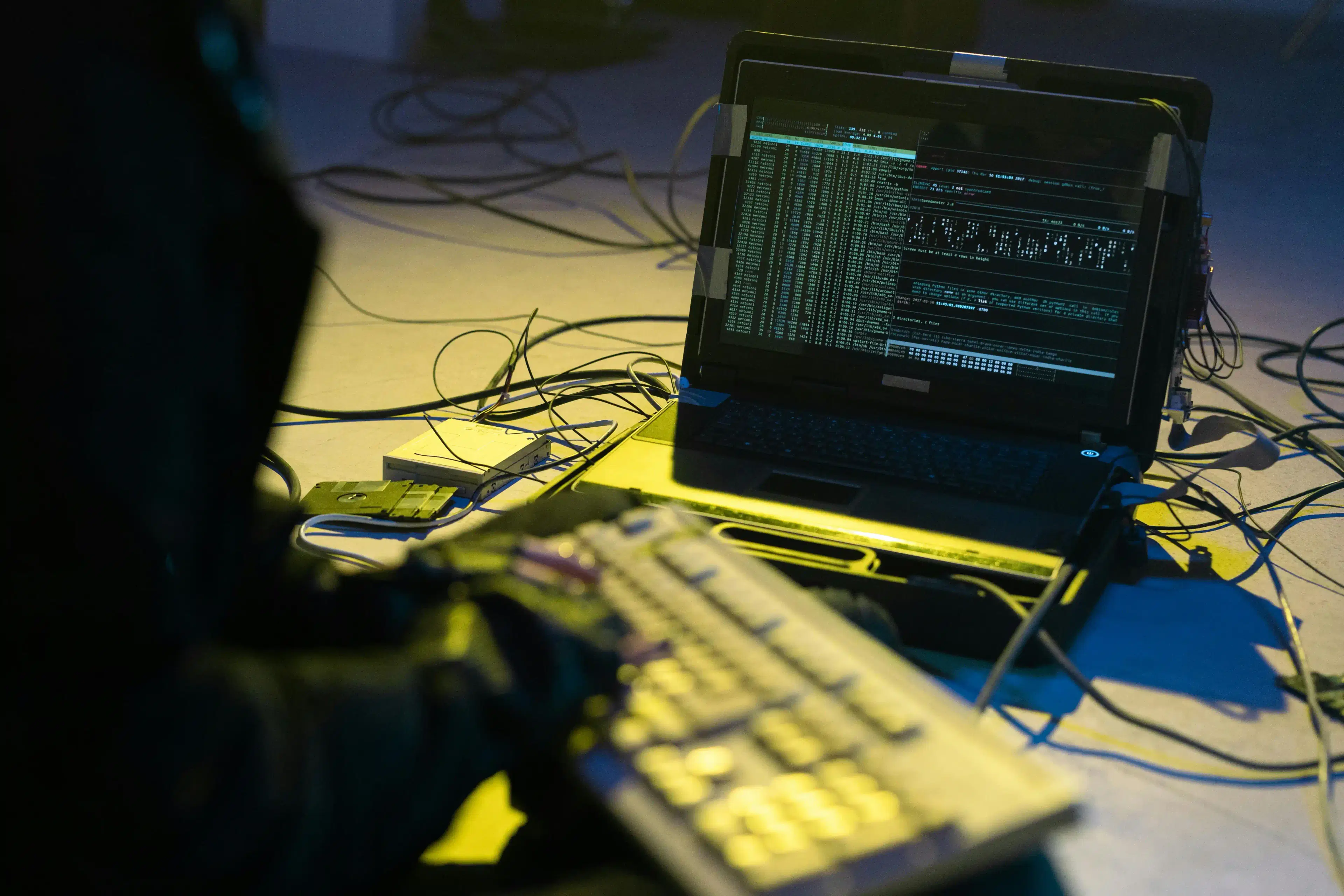
Mobile Reality
Mobile apps fail
in the hand.
Not in design tools. Not in demos. Not in screenshots.
They fail when networks drop, when state desynchronizes, when performance stutters, and when flows become fragile.
Mobile systems must be designed for interruption, constraint, and recovery as baseline conditions.
Failure Points
Where mobile systems
actually break.
These are not theoretical risks. These are the conditions mobile systems operate under every day.
Network volatility
Mobile networks are inconsistent by nature. Timeouts, drops, and partial responses are baseline conditions, not exceptions.
State fragmentation
Backgrounding, process termination, and OS-level interruptions break continuity unless state is explicitly designed for recovery.
Performance degradation
Limited CPU, memory pressure, and thermal throttling expose inefficient logic immediately.
Sync conflicts
Offline actions, delayed writes, and multi-device usage create data conflicts unless conflict resolution is intentionally designed.
Security exposure
Local storage, token handling, and device compromise make mobile a high-risk surface when security is superficial.
Architecture Approach
Built in layers.
Not assumptions.
Mobile architecture is not about screens. It is about boundaries, recovery, and controlled failure.
Network layer
Designed for loss
Requests are idempotent, retries are controlled, and failure is expected. No flow assumes guaranteed connectivity.
State layer
Recoverable by default
Local state is persisted, versioned, and reconciled. Interruption does not mean restart.
Sync layer
Conflict-aware
Data synchronization is explicit. Merges, overwrites, and collisions are handled intentionally.
Performance layer
Resource bounded
CPU, memory, and background execution are treated as constrained resources, not infinite capacity.
Security layer
Hostile by assumption
Tokens, storage, and transport are designed assuming device compromise is possible.
If reliability matters in your mobile product,
we should talk.
Not about features. Not about timelines.
About whether the system you are building can survive real use.